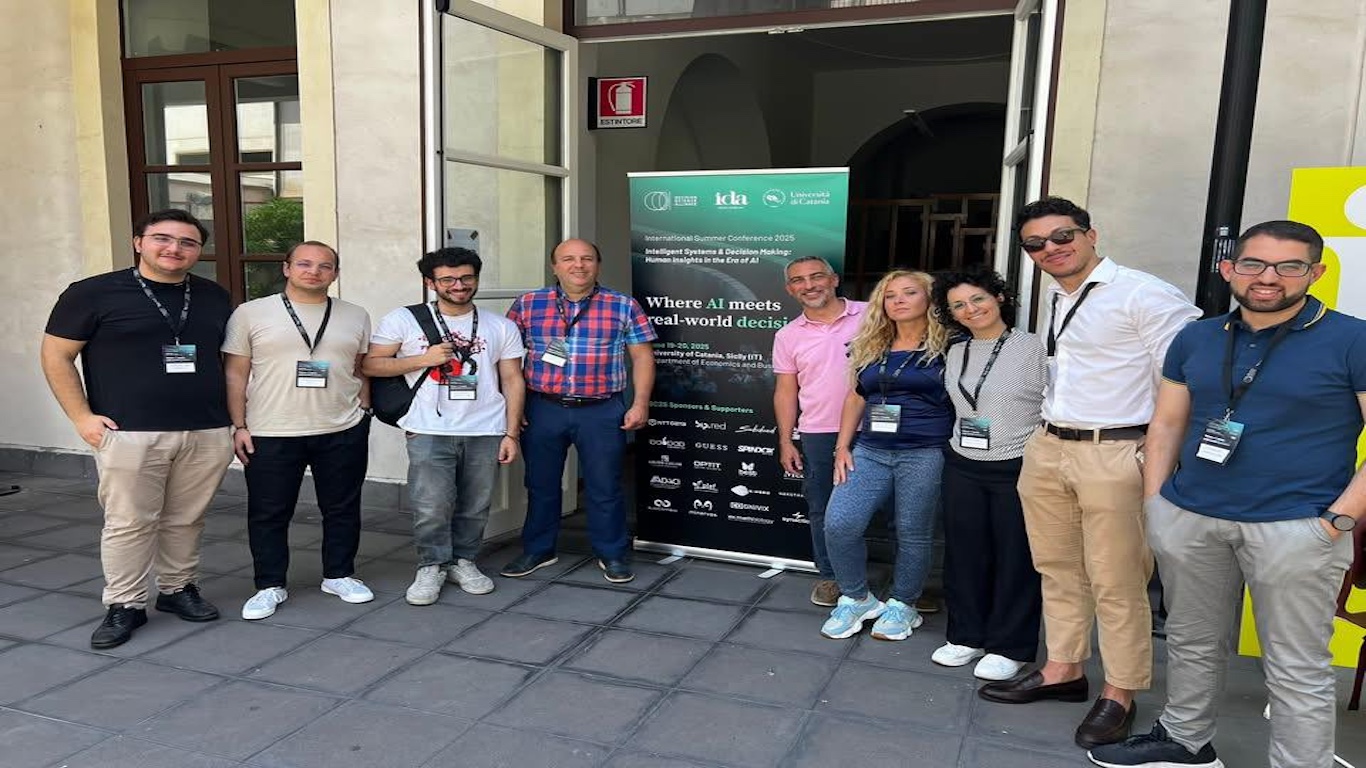
Complex Intelligent Systems Research group
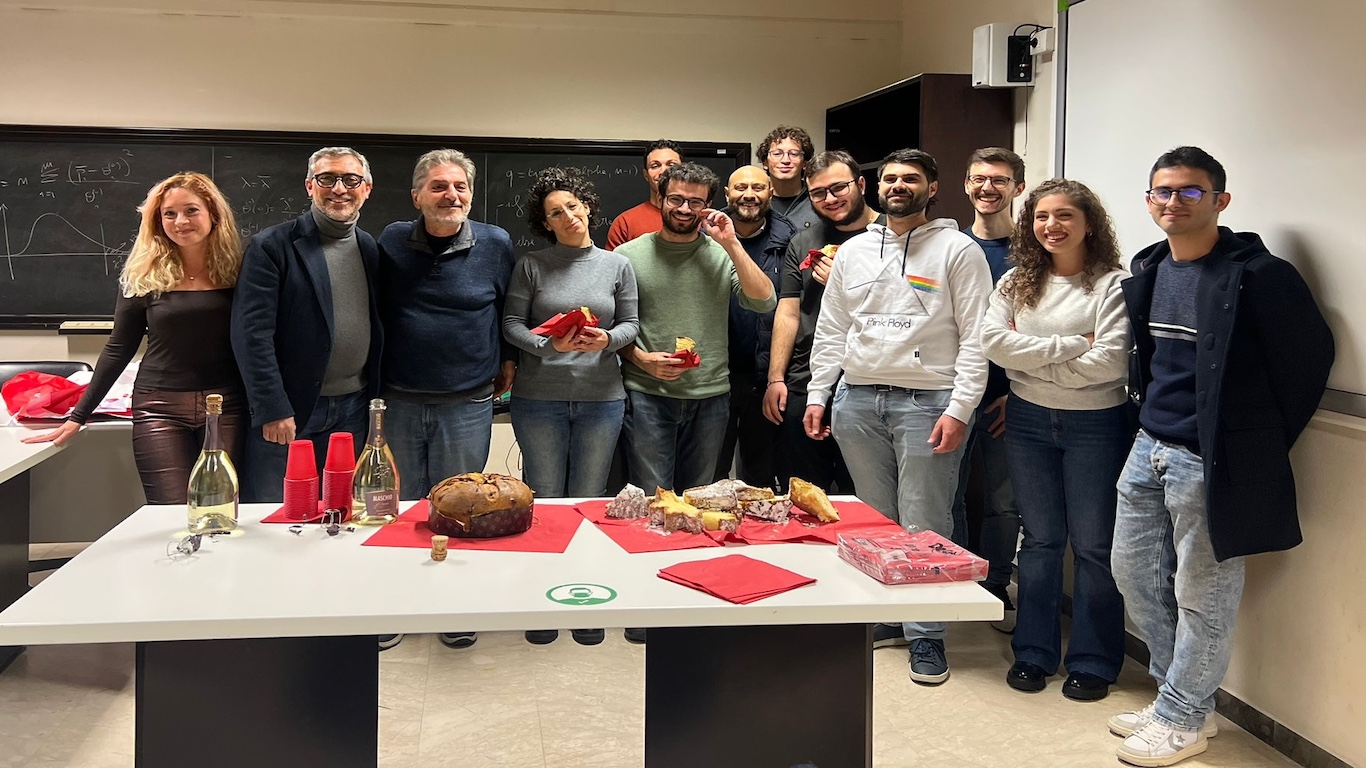
Complex Intelligent Systems Research group
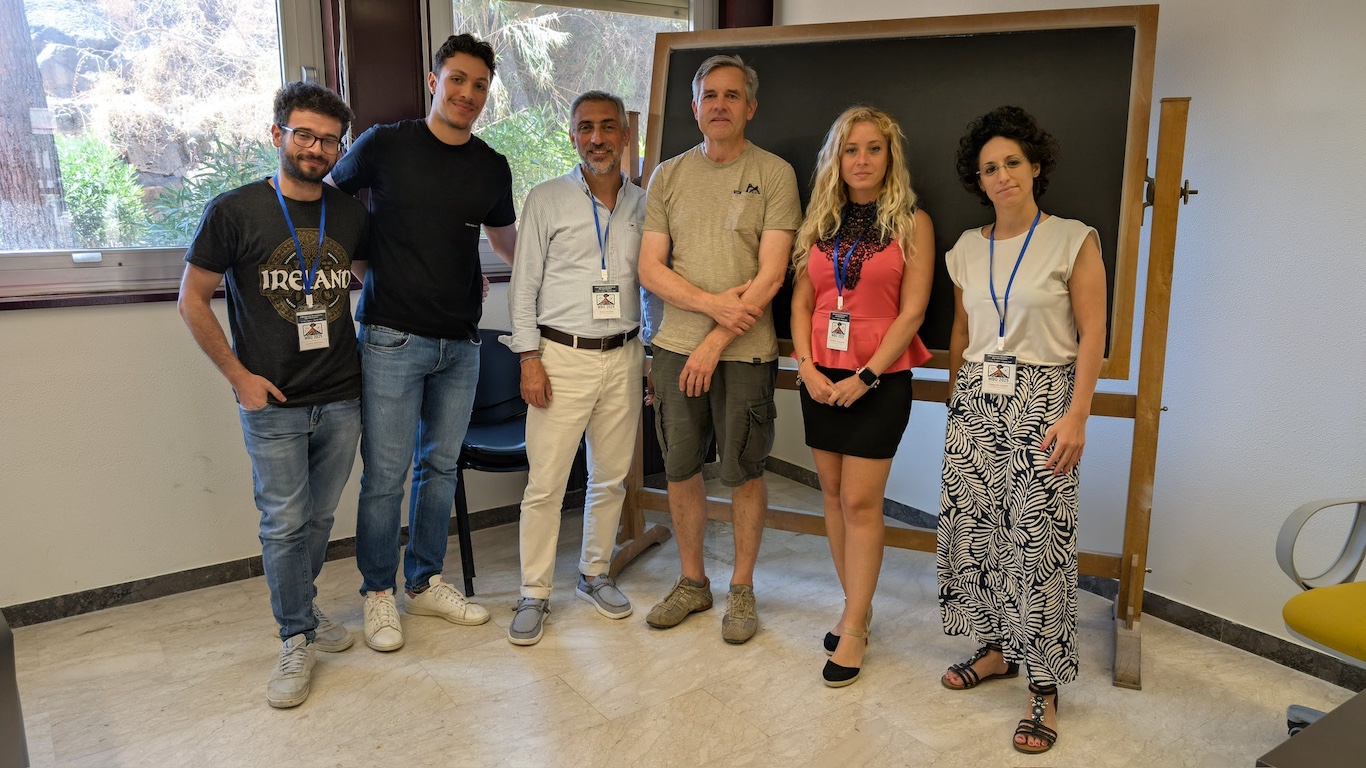
Complex Intelligent Systems Research group
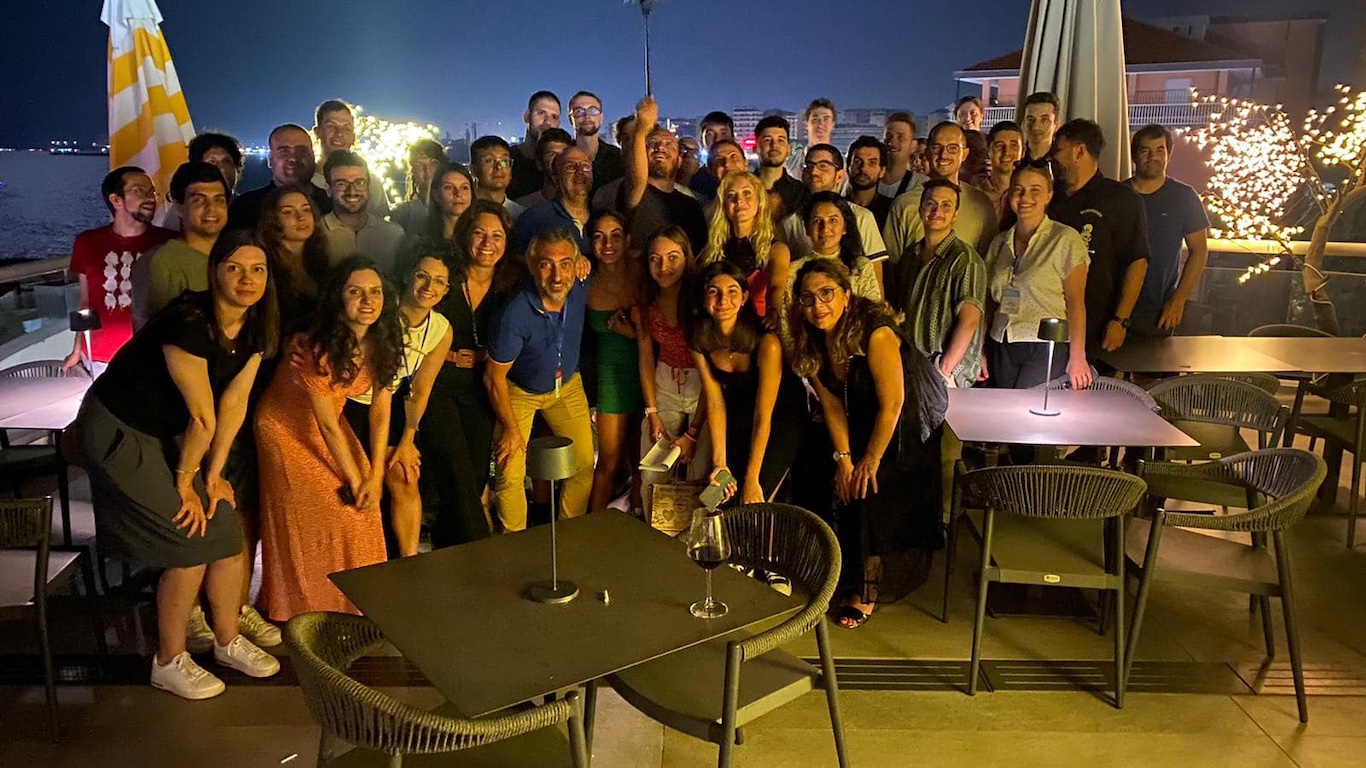
Complex Intelligent Systems Research group
Complex Intelligent Systems Research group
Complex Intelligent Systems Research group
About Us
The Complex Intelligent Systems (CIS) research group is part of the Department of Mathematics and Computer Science at the University of Catania. The CIS laboratory is at the forefront of Artificial Intelligence, dedicated to the study and development of computational models capable of decoding and managing the inherent complexity of real-world systems. Its mission bridges the gap between mathematical rigor and algorithmic innovation, transforming theoretical challenges into high-impact solutions for both science and industry.
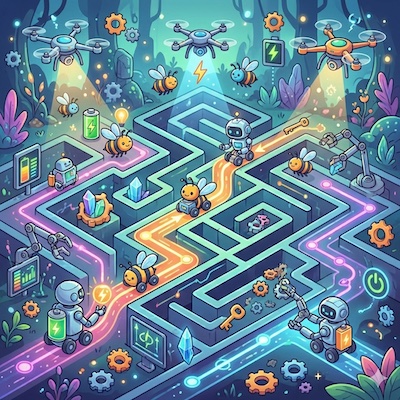
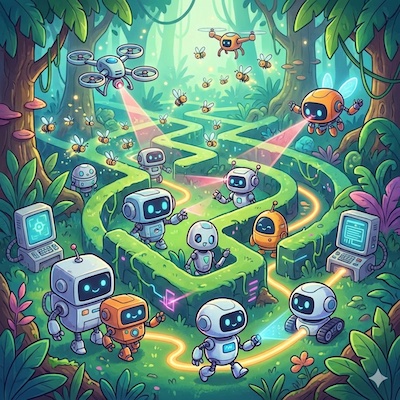
At the core of our research lies Optimization, with a specific focus on Combinatorial Problems and the development of advanced Metaheuristics. We specialize in designing algorithms capable of navigating critical decision-making scenarios, such as autonomous navigation in unknown environment, balancing efficiency and robustness in dynamic and uncertain domains. We also explore the architecture of complexity through Complex Networks analysis and the study of Collective Behavior. By utilizing Agent-Based Models (ABM), we simulate the emergence of global patterns from local interactions, while our work in AutoML aims to automate the evolution of AI itself, making it more accessible, robust, and adaptive.
The CIS research group, with all its members, is also particularly active in sevearl other activities, such as:
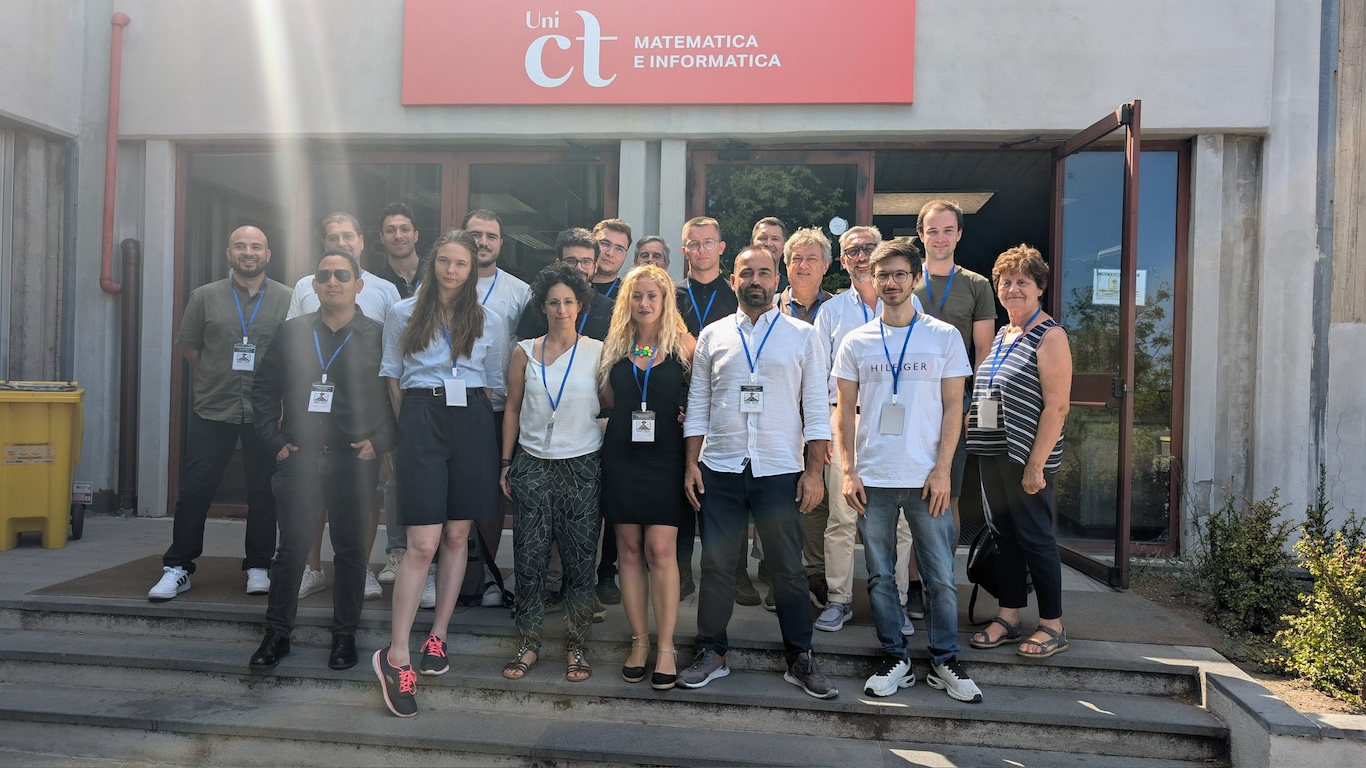
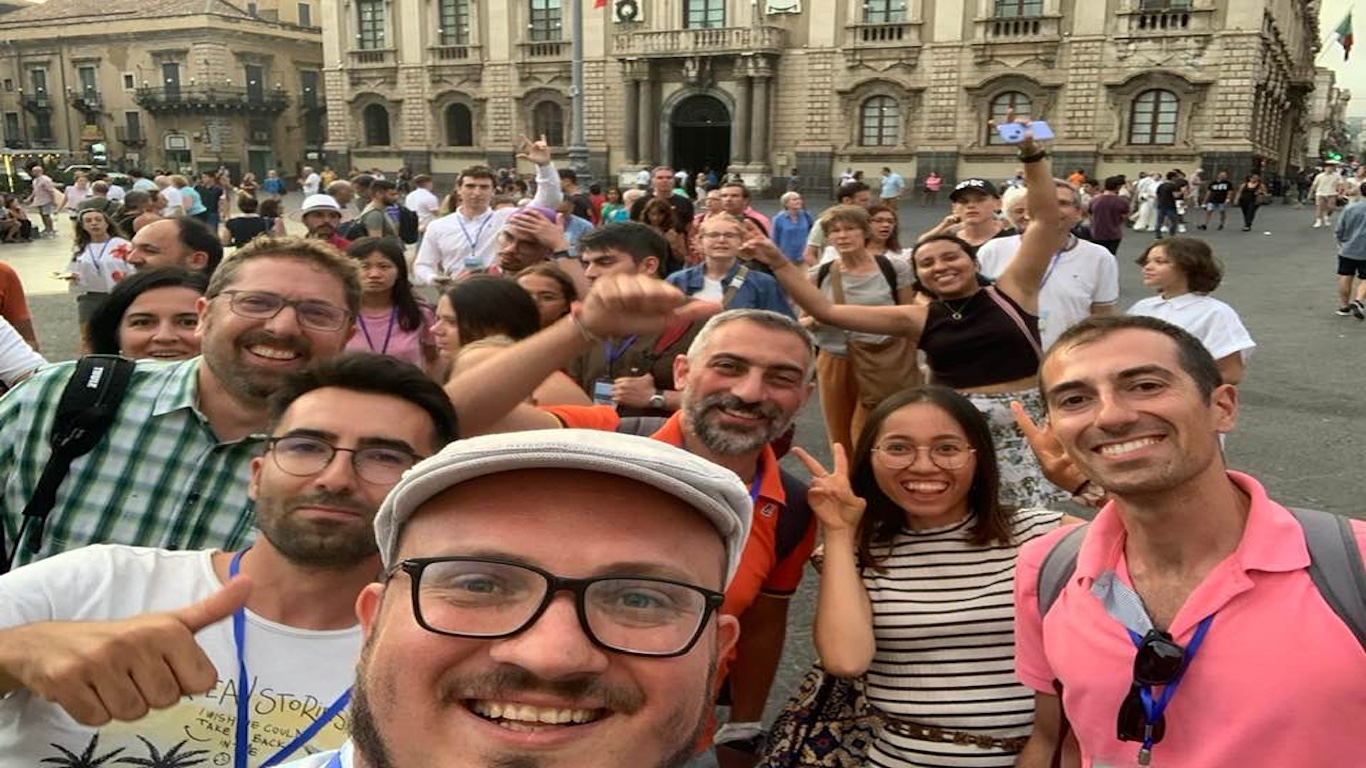
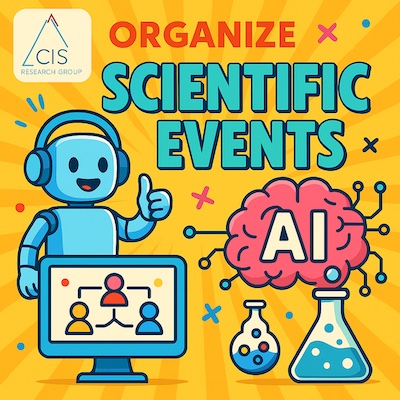
- scientific event organization: cis laboratory is an active proponent of international conferences, thematic workshops, and high-profile summer schools, creating vital spaces for dialogue between established experts and early-career researchers;
- annual international seminar series: the laboratory curates an annual cycle of scientific seminars featuring world-class keynote speakers, fostering interdisciplinary exchange and ensuring continuous engagement with emerging technologies;
- public outreach: among its several activities, the group is also strongly committed in scientific outreach, firmly believing in science as a public good. The aim of this activity is to make the themes of AI and complexity accessible to a broader audience, bridging the gap between academic research and society.
CIS laboratory is led by Prof. Mario Pavone and currently it involves 2 professors; 1 fixed-term assistant professor; 2 post-docs; 1 PhD student; 4 external collaborations; and several students between bachelor's degree and MSc.
The faculty members serve as lecturers at the Department of Mathematics and Computer Science for a number of Undergraduate and Graduate Courses in Computer Science, such as Artificial Intelligence; Artificial & Swarm Intelligence; Heuristics & Metaheuristics for Optimization and Learning; Operating Systems; Discrete Structures; and Randomized Algorithms.
International Events
The Complex Intelligent Systems group is very active in hosting international events, such as conferences, summer schools, workshops, and plenty of opportunities to dive into the world of Artificial Intelligence, complex systems, and emerging technologies.
With these activities, the CIS group wants to create a perfect place to find out where you can meet researchers from around the globe; join hands‑on training activities; connect with other researchers, and spark new collaborations and project ideas.
You can have a look at the several activities organized by the CIS laboratory by clicking on the relative link
If you’re curious about how cutting‑edge ideas come to life or you’re looking for a dynamic community to grow with, stay tuned and join our group!
CIS International Seminars Series
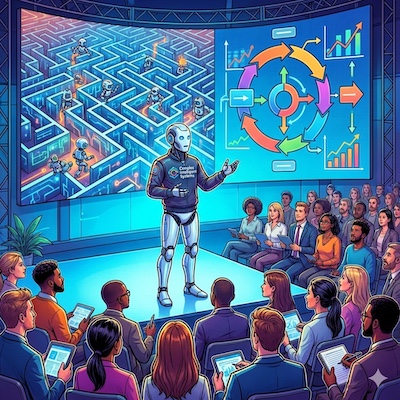
The Complex Intelligent Systems research group organizes an annual series of international seminars featuring distinguished speakers who are widely recognized in the field of artificial intelligence, alongside internal seminars designed to foster idea exchange, collaborative discussion, and the continuous growth of the group’s expertise.
Through these initiatives, doctoral students, postdocs and young researchers have the opportunity to engage with cutting‑edge research perspectives and immerse themselves in a dynamic and collaborative environment. Joining the group’s activities means entering a space that values scientific curiosity and offers an advanced training path—ideal for those who want to contribute to some of the most pressing and exciting challenges in artificial intelligence.
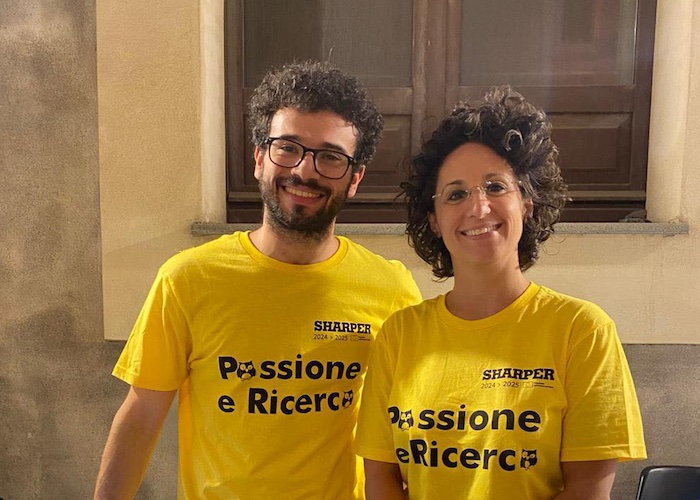
The CIS lab at Sharper Night
Also for the 2025 edition, the CIS group is pleased to participate once again in the European Researchers’ Night – Sharper Night 2025, continuing a commitment that, over the years, has become a well‑established tradition for both the public and the local scientific community.
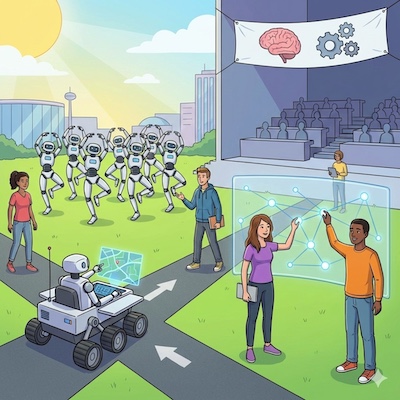
For Sharper Night 2025, we will present activities centered on direct engagement with participants: demonstrations, visual simulations, and small interactive experiments that allow visitors to observe how algorithms take shape and how complex systems can give rise to collective intelligence.
We are delighted to continue participating in this event, confident that sharing knowledge and opening our work to the public are essential elements of our scientific mission.
Researchers Visiting
the CIS laboratory
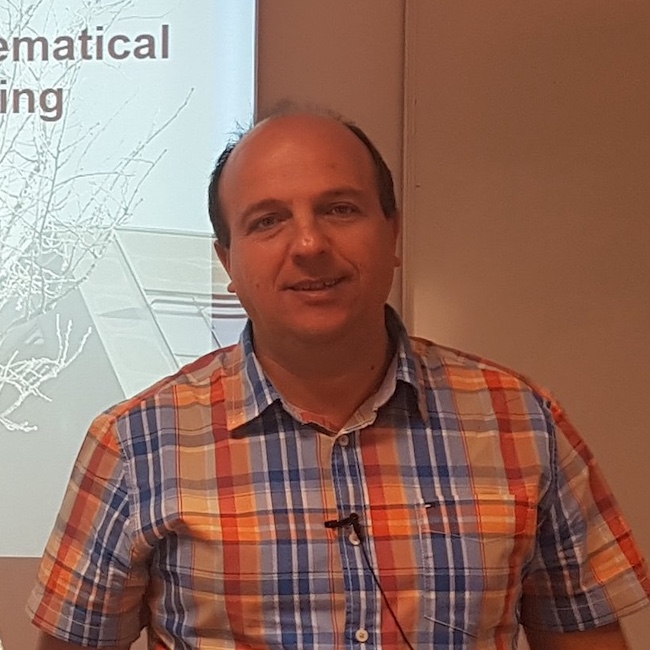
El-Ghazali Talbi
University of Lille - INRIA, France
Christian Blum
Spanish National Research CouncilMarch 2023
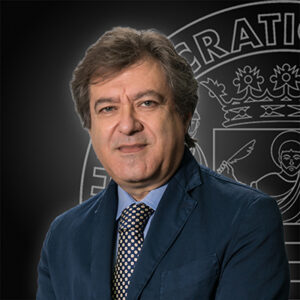
Raffaele Cerulli
University of Salerno, ItalyJuly 2025
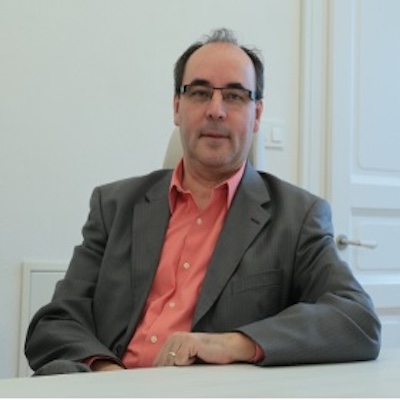
Marjan Mernik
University of Maribor, SloveniaApril 2025
Can B. Kalayci
Pamukkale University, TurkeyJuly 2024
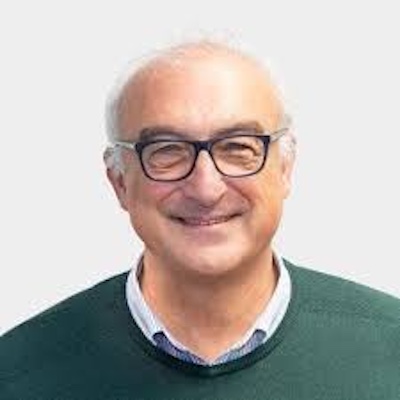
U.R. Murat Demirer
Isik University, TurkeyApril 2024
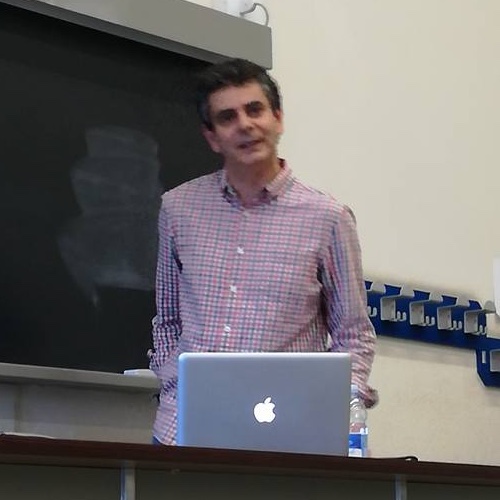
Francisco Pereira
Coimbra Polytechnic, PortugalMay 2017
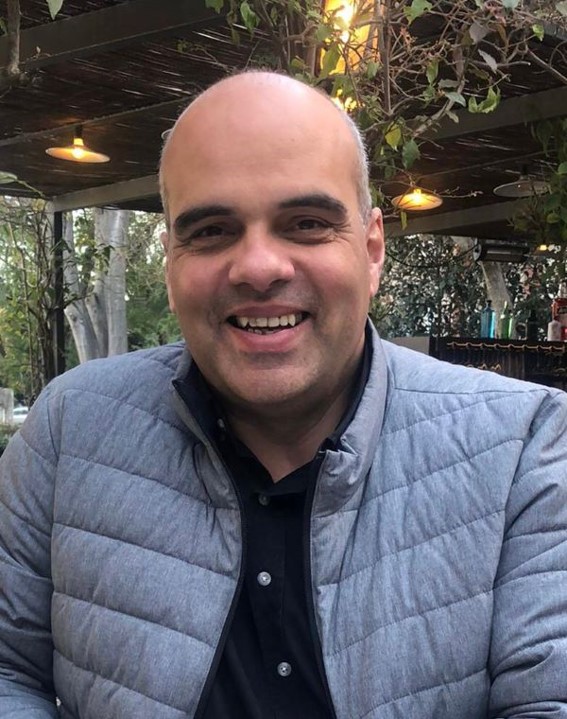
Simão Paredes
Coimbra Polytechnic, PortugalMay 2017
MSc-PhD Students & PostDocs
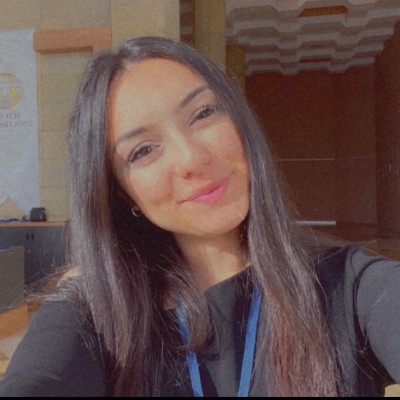
Sıla Nur Külekçi
MSc. StudentSelçuk University, Turkey
February 2 - May 22, 2026
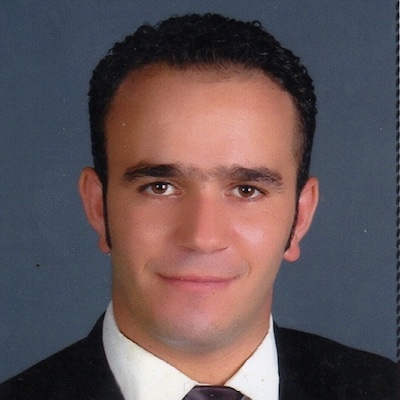
Omar Kebiri
PhD StudentBTU, Germany
24-26 November, 2021
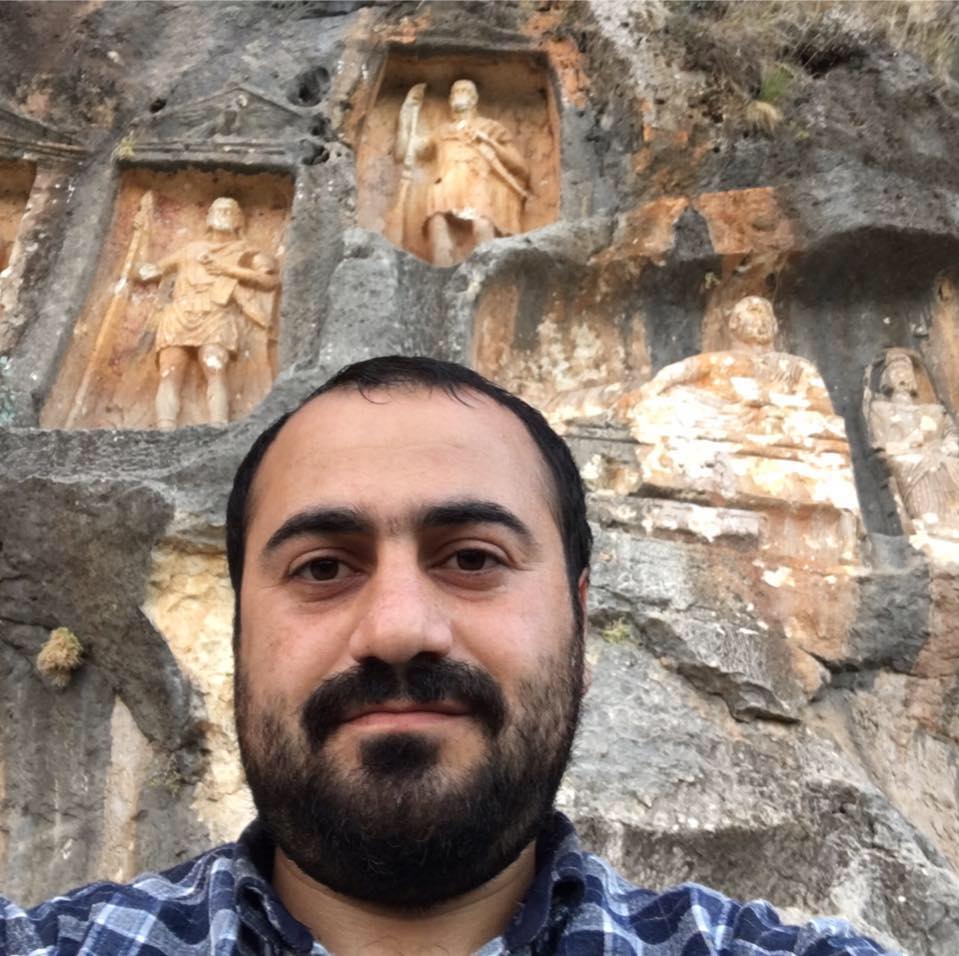
Murat Aslan
PhD StudentSelçuk University, Turkey
Feb. 4 - May 3, 2019
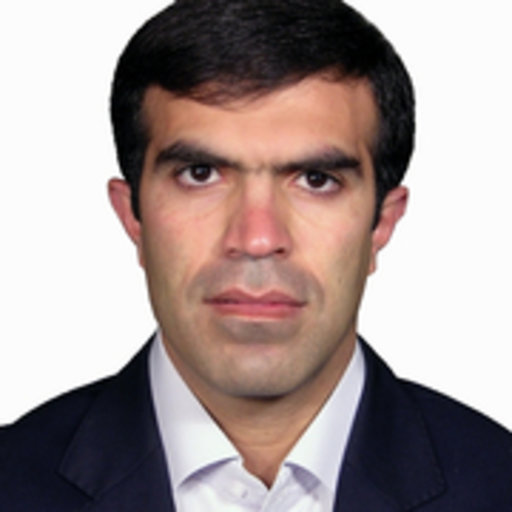
Mostafa Mahi
PhD StudentSelçuk University, Turkey
March 21 - June 18, 2018
Get In Touch
CIS Research Group, Department of Matematics and Computer Science, University of Catania, viale Andrea Doria 6, Catania, Italy
complexintelligentsystems@gmail.com
Photo Gallery


Newsletter
Stay tuned to the CIS lab activities.